

Rewiring for Resilience: How Polyvagal Theory is the Secret to Lasting Psychotherapy Goals
Polyvagal Theory (PVT), developed by Dr. Stephen Porges, is the key to lasting psychotherapy goals because it recognizes that the nervous system, not just the mind, influences our capacity for change. Crucially, PVT teaches that no amount of conscious insight can override a nervous system cued for danger; therefore, achieving goals requires first rewiring your biology for safety by recognizing your current state and using targeted, body-based techniques—like deep exhales for anxiety or gentle movement for numbness—to return to a regulated Ventral Vagal baseline. This shift from "toughing it out" to cultivating internal safety is what unlocks the resilience and capacity needed for sustainable change.
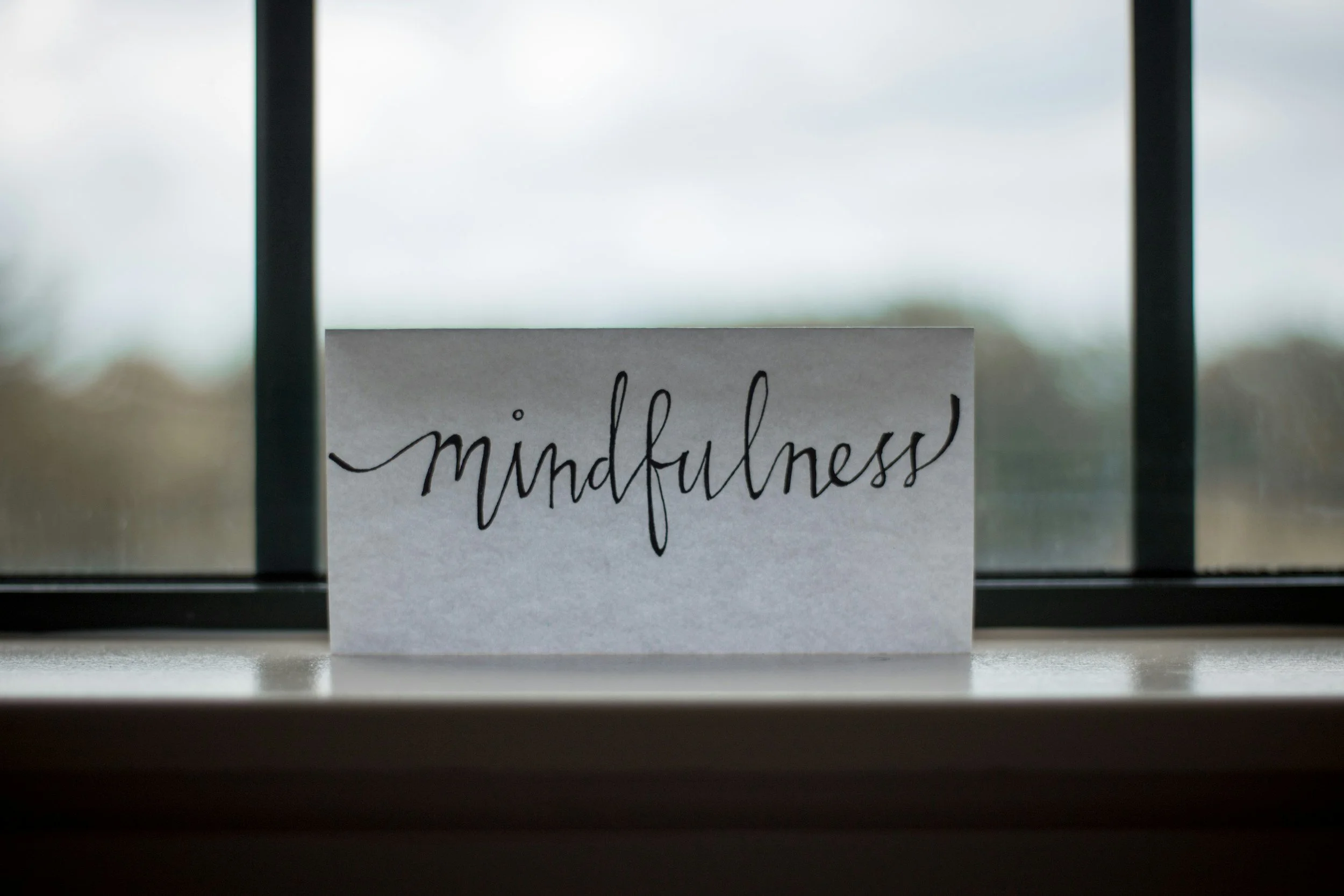
A Guide to Everyday Mindfulness: Finding Calm in the Little Things
This blog post, "A Guide to Everyday Mindfulness: Finding Calm in the Little Things," provides practical, simple strategies for weaving mindfulness into daily life. It explains that mindfulness is a way of living, not just a meditative practice, and offers techniques like a "Mindful Reset" and engaging the five senses during routine tasks. The post also addresses common barriers, such as a busy mind and feeling like you lack time, with supportive advice on how to overcome them to find a greater sense of calm and clarity.

Your Nightly Reset: The Relationship between Sleep and Mental Health
This blog post explores the powerful, two-way relationship between mental health and sleep. It details how conditions like anxiety, depression, and trauma can disrupt sleep patterns, creating a cycle that intensifies symptoms. The post offers practical guidance on promoting restful sleep through calming routines, optimizing your environment, and using breathwork, while also providing insight on when to seek professional support.

Beyond the Mind: Utilizing Breathwork and Body-Based Techniques for Anxiety Relief
"Beyond the Mind: Breathwork and Body-Based Practices for Anxiety Relief," explores the physiological nature of anxiety and introduces effective strategies for calming the nervous system. It explains how breathwork, such as the 4-7-8 and Box Breathing techniques, and body-based practices like grounding and progressive muscle relaxation, can serve as powerful tools to shift the body from "fight or flight" to a state of calm, offering an immediate sense of relief from anxious thoughts and feelings.

Mindfulness for Daily Life: Simple Practices for Calm and Clarity
Feeling overwhelmed or disconnected in our busy world? This post explores mindfulness: learning to pay attention, on purpose, to the present moment without judgment. Discover how this simple practice can be your brain's reset button, reducing stress, enhancing emotional regulation, and improving focus. Learn practical, everyday techniques like mindful breathing, eating, and the 'pause' button to cultivate calm and clarity in your daily life.